The energy transition was a central theme at LOIM's Transition Investment Summit, where energy companies explored what it will take to move beyond the rapid growth of renewable-power generation to build a reliable, lower-carbon system.
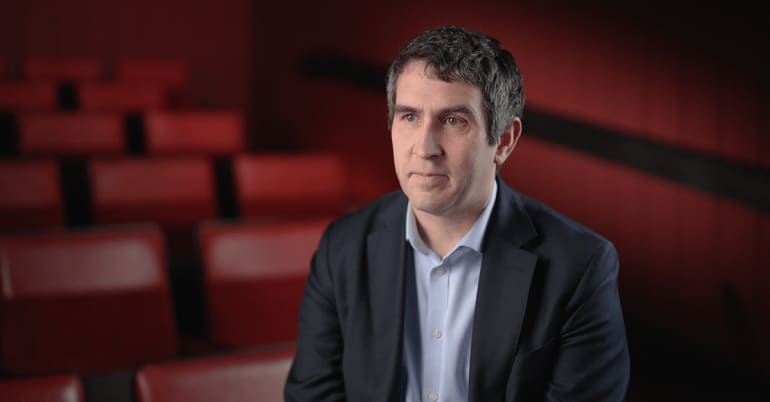
In this video, Alex Grant, UK Country Manager and Senior Vice President at Equinor1, argues that the debate should focus less on energy sources and more on outcomes. Reducing emissions through practical, high-impact and cost-efficient approaches remains the primary objective, whether that is through carbon capture, advances in batteries, grids or demand response.
Also, how could greater transparency on the carbon content of products and services help accelerate the transition?
watch the video.
Read also: From transition to transformation: Greg Jackson on electrification, data and the UK’s energy future
Below is a transcript of the video.
How must renewables evolve to keep driving the transition?
The decrease in the cost curves for solar and wind, and their continuing decrease as technology advances is a key ingredient for the continuation of the transition. But it's not the only ingredient we need.
There is an inflexibility of supply, which is negative for renewables.
So where we really need technology breakthroughs is on batteries and on grid systems and of course, on demand response. If we can match demand response to counter the inflexibility of the supply, that will reduce the system costs significantly.
Can fossil fuels play a constructive role in the energy transition?
We need to stop polarising this debate. It's not that fossil fuels are bad, and it's not that renewables are good. CO2 is bad for the environment.
If we can find ways of reducing the CO2 be that through renewables, be that through gas with carbon capture – it's removing the CO2 that is important.
And let's put the systems and structures in place to encourage that happening at the lowest cost. Electricity represents 18% of the UK's energy demand. It's down to the other 82%, the majority of which comes from fossil fuels. The world needs that part, but we need to decarbonise it.
If we can reduce that CO2 emission or capture that CO2 and store it, if we can do that in a way that's cheaper than other methodologies, then why wouldn't we?
Read also: From Paris to profit: sustainability evolves into an economic strategy
How could greater transparency on the carbon content of goods and services accelerate the transition?
Equinor1 spends a lot of money electrifying its oil and gas fields. We have some of the lowest Scope 1 emissions when it comes to producing oil and gas in the world . When we sell that molecule of gas or that barrel of oil, the incremental value we get for the fact that it has much lower Scope 1 emissions is zero.
Our customer is the refinery or the petrochemical plant. The refinery or the petrochemicals customer is the nylon producer or the gasoline blender. The chain to the consumer in some cases is very, very long before you're buying your pair of trainers or filling up your car.
We see some willingness to pay for lower carbon products right at the end of that chain, but we don't see it at the front end of the chain. What do we need for that to happen?
We need transparency on what carbon is in which thing. And then we need regulation to make sure that the accounting works the whole way through. And then we believe the end-consumers will differentially favour things that have lower carbon and that will feed back through the chain.